Published 2026-09-12 · Event 2020-10-01
GleSYS’s 1 October 2020 Falkenberg start is dated heat delivery; 26 GWh stays potential
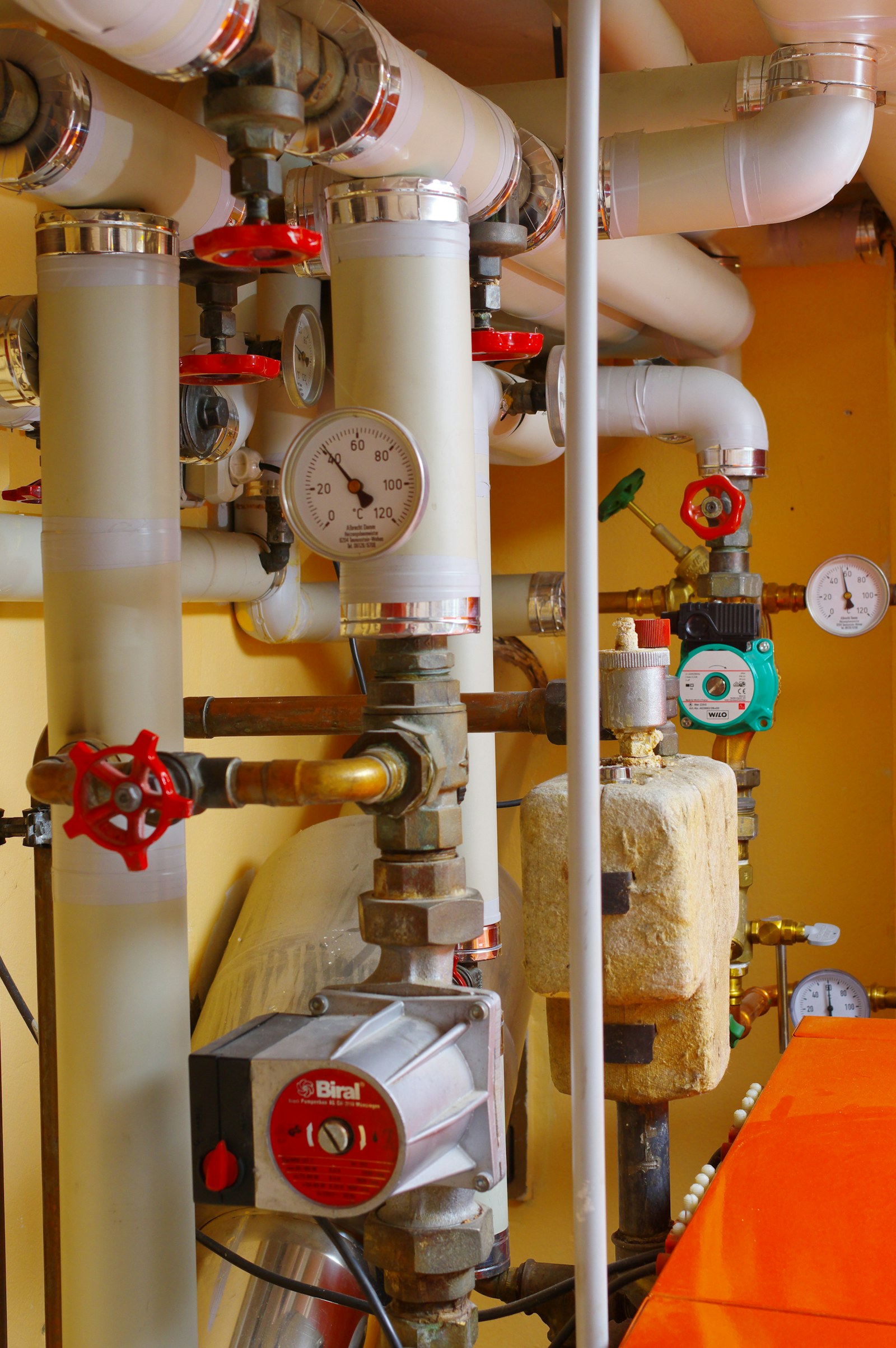
On 1 October 2020 GleSYS said it had started supplying district heating to Falkenberg Energi from a newly built west-coast hall. The same release listed 3 MW utility power and said the venture had the potential to heat 1,700 residential buildings and may amount to as much as 26 GWh a year, 25% of Falkenberg’s district heat. Potential is not a measured ledger.
GleSYS’s 1 October 2020 release is the dated Swedish heat-delivery source used here. It says that on that day GleSYS started supplying district heating to Falkenberg Energi from a newly constructed data center on Sweden’s west coast. Falkenberg Energi is named as the municipal buyer. A dated start with a named counterpart is stronger than a preparedness sentence. It is still not a 2026 meter reading.
Capacity on that 2020 page is utility power of 3 MW, with a total surface area of 4,000 square metres at Kanslistvägen 12 and a 2019–2020 completion timeline. Three megawatts of utility power is a dated facility sentence. It is not today’s occupied IT load. A later GleSYS operator page already stored in this register states 5 MW total capacity. The two numbers use different wording. This article does not replace 3 with 5 and does not add them.
Heat volume language must stay potential. The venture has the potential to heat 1,700 residential buildings and to reduce carbon dioxide emissions by 1,570 tonnes every year. Energy from the waste heat may amount to as much as 26 GWh annually, equivalent to 25 percent of Falkenberg’s total district-heating production. May amount to and potential are GleSYS’s words. They are not stored here as delivered megawatt-hours.
Named heat rows stay local. Stockholm Data Parks, Conapto and Exergi, EcoDataCenter and Falu Energi & Vatten, Helen and OnZero, and Google Hamina are different municipalities and evidence states. A Falkenberg start does not become a Stockholm megawatt-hour. Halland sits in SE4; that is a bidding-area fact, not spare west-coast import.
DataCenterSweden records 1 October 2020 as a dated Swedish heat-delivery start at the existing Falkenberg project. The next update would need a later primary source that names a measured annual volume or explains the 3 MW / 5 MW split. Until then, 26 GWh stays potential beside a start that did occur.
Why it matters
A dated Swedish heat start is the reference file for reuse. The 2020 release is usable only if 26 GWh and 1,700 buildings stay potential — and if 3 MW stays the 2020 utility row beside the later 5 MW page.
What remains unknown
The 2020 release does not publish a measured annual heat volume after the start date, and it does not explain the later 5 MW operator figure.
Sources
- Surplus energy from a new data center is transformed into district heating — GleSYS / Mynewsdesk, 2020-10-01. Checked 2026-09-10.
- GleSYS Falkenberg data center — GleSYS, 2026-01-01. Checked 2026-09-10.