Published 2026-09-23 · Event 2026-05-25
Sweden’s data-center impact study: 12,000 jobs and SEK 57.8 billion in context
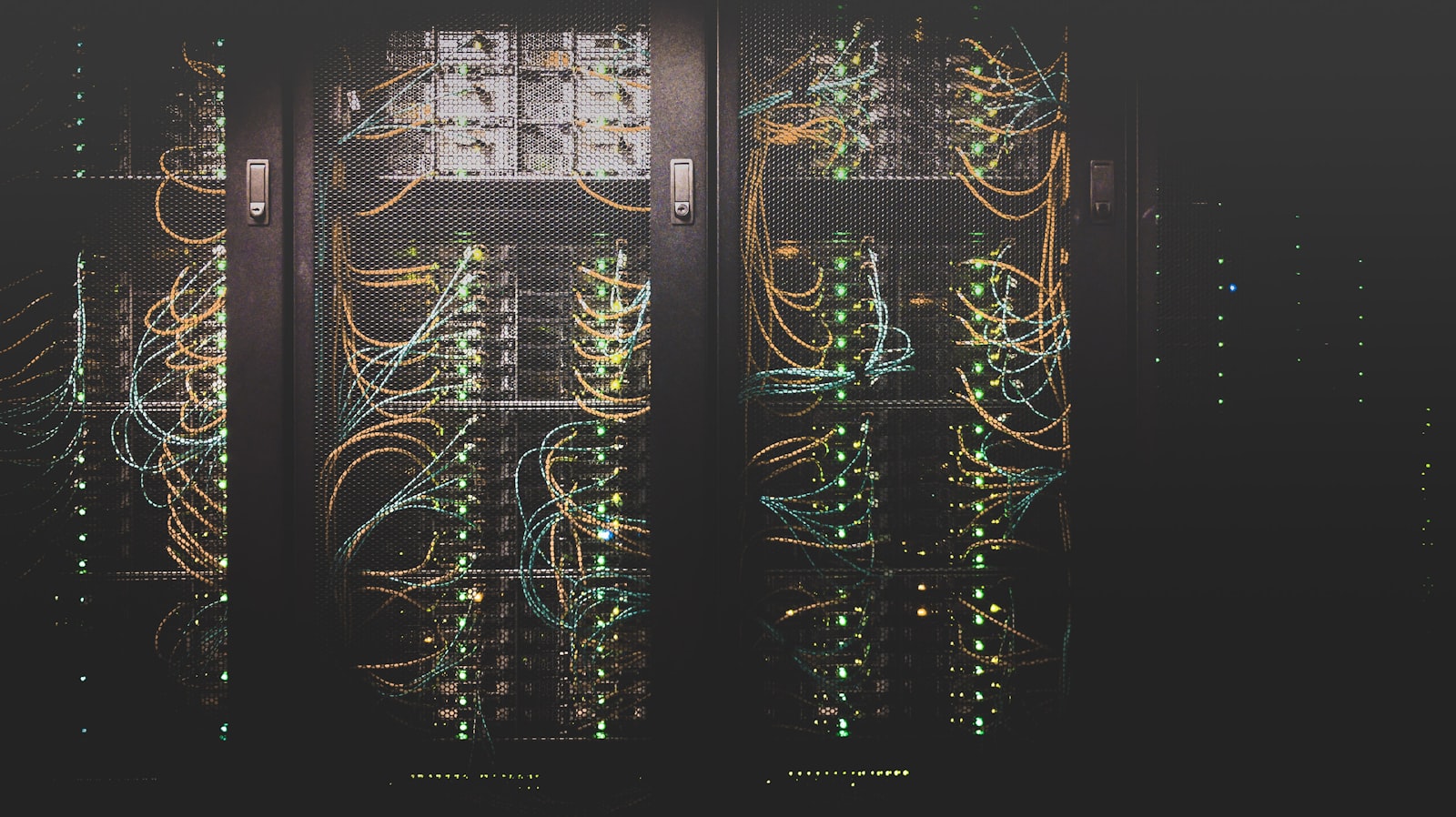
A 2026 study produced by SweDCI, Radar and association members estimates a SEK 57.8 billion GDP contribution and nearly 12,000 supported jobs. It also says SEK 3.75 trillion of Swedish company revenue depends on data-center capacity. These are industry-study estimates with different boundaries, not an official national census or a count of new municipal jobs.
At the edge of a Swedish town, a row of quiet industrial buildings can hold transactions, research workloads and public services whose users never see the cooling pipes or the electrical switchgear. That hidden role is the starting point for the SweDCI Data Center Impact Study, released in spring 2026. Its headline numbers are large enough to travel quickly. They are also easier to repeat than to interpret. The useful question is what each number counts — and what it leaves outside the frame.
The Swedish Data Center Industry Association says it produced the study with Radar and association members. Its public summary estimates that data-center activity contributes SEK 57.8 billion to Swedish GDP: SEK 12.6 billion direct, SEK 31.1 billion indirect and SEK 14.1 billion induced. The same summary says nearly 12,000 jobs are supported, split into about 1,600 direct, 7,500 indirect and 2,800 induced. These are the study’s reported estimates, not figures independently calculated by DataCenterSweden.
A second figure needs a different verb. The report says SEK 3.75 trillion of Swedish corporate revenue is directly dependent on data-center capacity. Dependent revenue is not the same as revenue earned by data-center operators, nor is it GDP created by the sector. It describes activity in companies that rely on digital infrastructure. Its practical message is about economic exposure: if capacity is unavailable or disrupted, a much wider set of businesses may feel the consequences.
The direct, indirect and induced split is also important. Direct effects concern activity assigned to the sector itself; indirect effects travel through suppliers; induced effects arise when earnings are spent in the wider economy. The categories can explain how an economic model expands beyond the data-center operator’s payroll. But the public summary page does not give readers a full methodological appendix, model inputs, uncertainty intervals or a municipal allocation for those effects. The totals should therefore be attributed to the study, not presented as a new official account of Swedish national production.
The employment headline is not a local hiring promise. Only the approximately 1,600 direct jobs are described as direct in the summary. The larger total includes supplier and induced effects and does not say how many are permanent, full-time, located beside a specific campus, or newly created rather than supported across an existing value chain. A municipality evaluating a project needs a separate, dated employment schedule: construction jobs by year, operating roles at the site, contractor roles, local recruitment assumptions and the period behind each claim.
The future numbers are farther from the ground. SweDCI’s summary estimates roughly SEK 800 billion in GDP contribution over a five-year period and says supported employment could reach around 30,000 jobs by 2030. Those are forward-looking estimates, not contracted investment or an outcome already achieved. They depend on what capacity is built, when it can connect, whether demand materialises and how the study models supplier and induced effects. The summary names permitting as a bottleneck, but a scenario does not determine how many individual projects will pass their planning, environmental, power and financing gates.
The report also estimates a Swedish installed market of about 800 MW, divided roughly 50 percent hyperscale, 35 percent colocation and 15 percent other segments. DataCenterSweden’s project register is built from dated, named project sources and often keeps capacity definitions unclear or different between sites. The two views are not automatically comparable: the public report summary does not spell out the facility list, capacity boundary, inclusion rules or treatment of private enterprise facilities. Do not add the report’s 800 MW to the register’s rows or treat it as a measured total with the same scope.
Electricity demand is another place where unlike quantities are often placed side by side. Svenska kraftnät’s September 2026 connection-queue table lists 6,984 MW of data-center applications. The queue measures requested maximum power at a transmission-process stage; it is not today’s electricity consumption and does not mean every request will be built. The SweDCI report’s installed-capacity estimate is a different measure again. A clear market story keeps installed capacity, proposed requests, actual energy use, economic output and dependent revenue in separate columns.
That distinction does not make the study unimportant. Digital services need physical infrastructure, and operators depend on electricians, cooling specialists, construction firms, fibre carriers, cybersecurity teams and equipment suppliers. The supply-chain lens can help Swedish businesses identify skills and investment opportunities. It can also prompt a sharper public conversation about where the jobs occur, who bears the cost of network reinforcement, how facilities use water and land, and whether heat recovery is contracted and measured rather than simply described as a possibility.
The fairest reading is neither to dismiss the estimates because an industry association commissioned the report nor to repeat every number as settled national fact. Use the summary for the questions it raises, name its sponsor and collaborators, retain the words “estimates” and “could,” and ask for definitions before comparing it with official statistics or a local project case. The study makes a case that digital infrastructure has economic reach beyond the server hall. A project decision still needs its own evidence: site, jobs, dates, energy, water, permits, network documents and the public contribution that can actually be verified.
Why it matters
The study brings the wider economic role of Sweden’s data centers into focus, but its GDP, job, market-capacity and dependent-revenue figures answer different questions and need their own boundaries.
What remains unknown
The public summary does not provide the full modelling appendix, uncertainty ranges, a municipal distribution of jobs or a facility list that can be reconciled to the project register.
Sources
- SweDCI Data Center Impact Study 2026 — official summary — Swedish Data Center Industry (SweDCI), 2026-05-25. Checked 2026-09-23.
- SweDCI launches its Data Center Impact Study — Swedish Data Center Industry (SweDCI), 2026-05-25. Checked 2026-09-23.
- Applications in the transmission-grid connection queue by connection type — Svenska kraftnät, 2026-09-02. Checked 2026-09-23.