Published 2026-09-12 · Event 2026-06-02
Google reports groundbreaking at Horndal on 2 June 2026; completion targeted for 2028
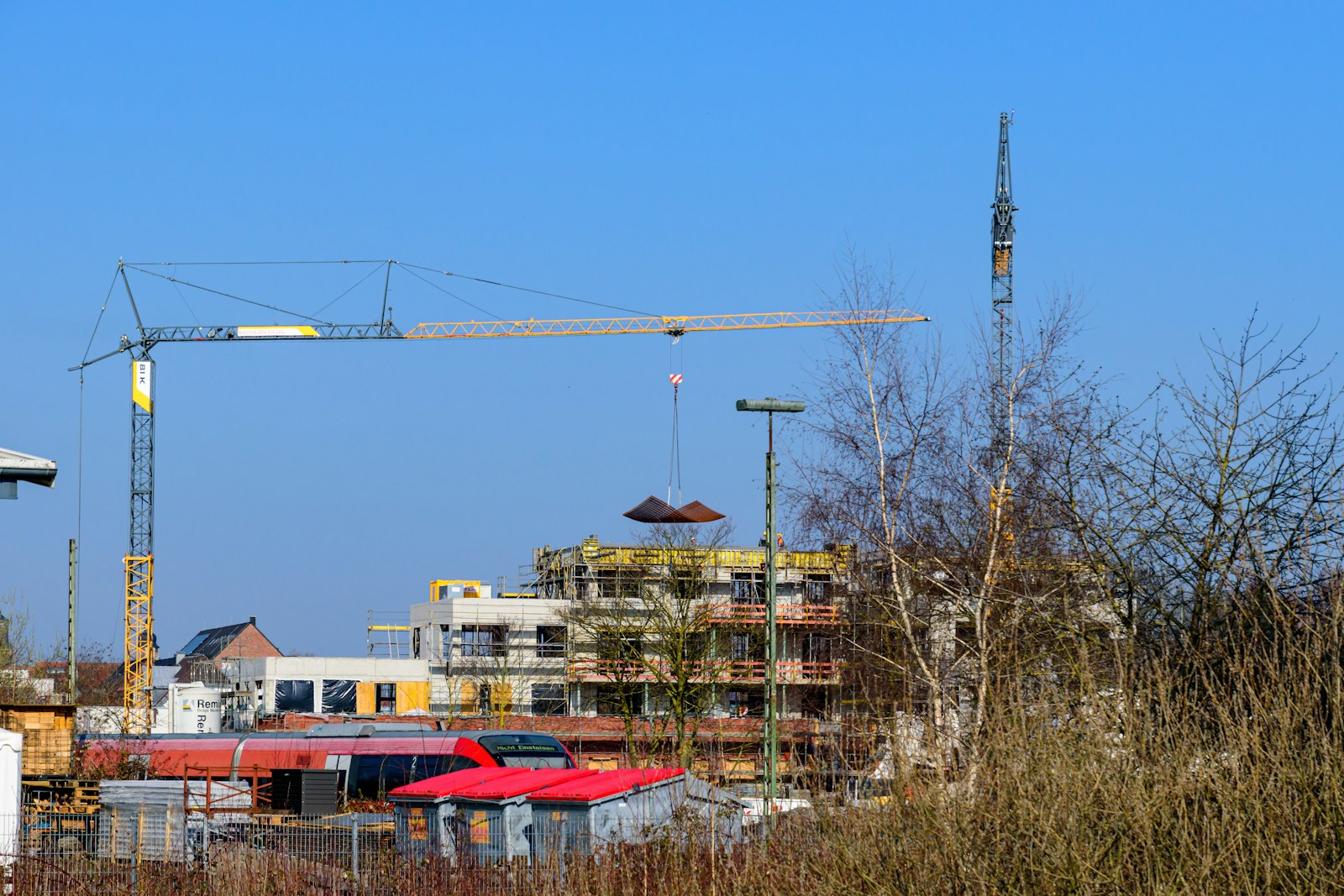
On 2 June 2026 Google said it had broken ground on a data center in Horndal, Avesta Municipality. The company pages used here describe an air-cooled facility designed for off-site heat recovery, about 100 direct jobs and a EUR 5 million community fund. They do not publish a megawatt figure. Construction under way is not commissioning.
Google’s press notice and blog post dated 2 June 2026 say the company broke ground on a new data center in Horndal. The later location page says construction is under way following that groundbreaking, with a target completion date of 2028, and that the timeline may vary. Those sentences are the dated construction-start evidence used here. They are not a commissioning certificate and not an occupied-load reading.
The same pages describe the design in qualitative terms. The facility will use air-cooled technology and is being built ready for off-site heat recovery so that excess heat can support local homes and businesses in the future. Google also says it has been embedding heat-recovery readiness into new European data centers and that its first off-site recovery project, in Hamina, Finland, is supplying about 2,000 households. Horndal’s readiness sentence is not the same observation as Hamina’s supply sentence.
The economic claims in the 2 June notices are also bounded. Google says the data center will generate 100 direct full-time jobs and create thousands more through construction, suppliers and local businesses. It announces a EUR 5 million fund for local community initiatives. It says it is already working with nearly 60 Swedish suppliers for construction. Those are company statements on that date. They do not establish a megawatt rating or a grid agreement.
Third-party market pages have circulated a 150 MW IT-load figure for Horndal. That figure does not appear in the Google pages cited here. This register therefore does not store a Horndal megawatt observation from the groundbreaking. If a later primary source states a capacity with a defined boundary, that source can open a new row. A secondary estimate cannot.
The location identity is still the Horndal / Avesta file already in this register. The groundbreaking does not move the pin, invent coordinates or convert a land holding into an operating campus. It also does not update Meta Luleå, Microsoft’s historic Sweden region or AWS Europe (Stockholm). Those records keep their own dates and sources.
For a developer or investor the next documents are the current municipal and environmental file, the written network-owner position, and any later construction or commissioning source that names the event it claims. Ask whether “under way” means earthworks, a superstructure or an energised hall. The 2028 completion target remains a target until a later source documents completion.
DataCenterSweden therefore records 2 June 2026 as a reported construction-start event for the Horndal project. The stage label in the project file should follow the same primary pages and should not jump to operational because a groundbreaking photograph exists. Capacity, heat delivery and grid status stay on separate rows until a source supports them.
Why it matters
Horndal now has a dated construction-start source. That is a project-stage fact. It is not a licence to invent megawatts or to treat 2028 as an operating year.
What remains unknown
The cited Google pages do not publish a Horndal megawatt figure, a grid agreement, a commissioning date or a measured heat delivery from the Swedish site.
Sources
- Google Breaks Ground on Data Center in Horndal, Sweden — Google Cloud Press Corner, 2026-06-02. Checked 2026-09-11.
- Blue, yellow and green: Google invests in its new data center in Sweden — Google, 2026-06-02. Checked 2026-09-11.
- Horndal, Sweden – Google Data Center Location — Google Data Centers, 2026-09-01. Checked 2026-09-11.