Published 2026-09-12 · Event 2025-09-05
GlobalConnect’s Gotland–Estonia–Finland four-cable plan is a Baltic route set, not Polar Connect
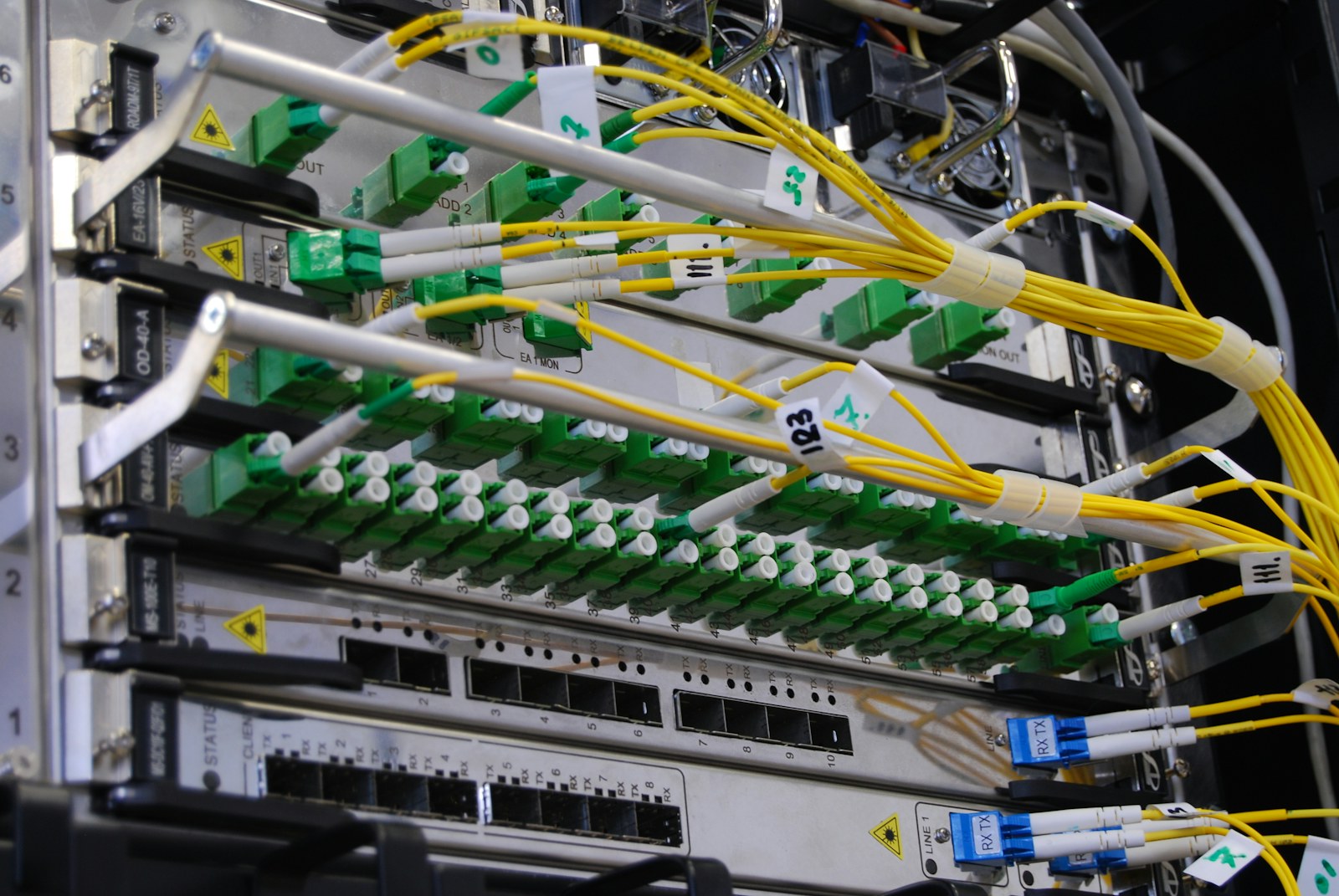
On 5 September 2025 GlobalConnect said it had started a project for four new Baltic subsea systems linking Sweden, Estonia and Finland on a roughly 550 kilometre long-haul route. A planned cable set is not an Arctic polar system.
GlobalConnect’s 5 September 2025 notice is the dated fibre source used here. It says the company has initiated a project to establish four new subsea cable systems in the Baltic Sea, connecting Sweden, Estonia and Finland and creating a long-haul route of about 550 kilometres. New subsea cables of about 300 kilometres are to run from Gotland to Saaremaa and Hiiumaa, then inland through Estonia via Tallinn and across the Gulf of Finland to Helsinki. About 250 kilometres of new terrestrial fibre are written for Estonia. A planned route set is not a commissioned landing.
The funding sentence must stay a funding sentence. The notice prints a total cost of about 40 million euros, of which 15 million euros has been granted from the Connecting Europe Facility. Permits and other authority prerequisites are written as ongoing. The timeline prints land and marine surveys and a land-based construction start in 2025, marine surveys, land works, repeater-site construction and sea-cable laying in 2026, and continued laying plus go-live in 2027. Those are programme rows. They are not a Polar Connect construction start.
The neighbour sentence must stay a neighbour sentence. The same notice says GlobalConnect in July announced a further 500 kilometre fibre route, including 150 kilometres of sea cable, between Gävle, Stockholm and Helsinki, to be completed in 2026. Combined, the company writes a 1,250 kilometre digital ring in the Baltic Sea. That July route already sits on its own Sweden–Finland paper. Senior vice president Pär Jansson’s wording about an underserved Sweden–Estonia route and 30-year-old existing infrastructure stays an operator comment. Estonian minister Liisa-Ly Pakosta and Swedish minister Erik Slottner appear as quoted support. Quoted support is not a permit.
Named neighbouring papers stay neighbouring papers. The July Sweden–Finland subsea notice, the Kattegat Lerkil–Sæby cable, the Nordic Wave northern close, the Polar Connect CEF note and the January 2026 Nordic backbone triple stay on their own files. The notice’s “400 percent” capacity sentence is GlobalConnect’s own wording about its capacity. This article does not import that wording into a reserved hall interconnection.
DataCenterSweden records 5 September 2025 as a GlobalConnect Gotland–Estonia–Finland four-cable notice. No project identifier is attached. The next update would need a later primary source that names a granted permit, a completed laying season or a commissioned 2027 go-live. Until then, the four cables stay a planned Baltic package — not Polar Connect and not a reserved Swedish hall link.
Why it matters
A Baltic four-cable headline that also names a Sweden–Finland ring is easy to file as Polar Connect or as the July Gävle route. The September notice is usable only if the Gotland–Estonia–Finland set stays that set.
What remains unknown
The notice does not print a granted permit, a completed 2027 go-live or a reserved interconnection into a named Swedish hall.
Sources
- GlobalConnect: four new subsea cables will strengthen Baltic Sea digital infrastructure (5 September 2025) — GlobalConnect, 2025-09-05. Checked 2026-09-12.